Cushman Golf Cart Fault Basics: Warning Signs & Fixes
Cushman faults are easiest when you organize the symptom by start, drive, charge, fuel, brake, steering, heat, noise, and load. This hub sorts your fault to the right diagnostic guide using verified Cushman indicator data.
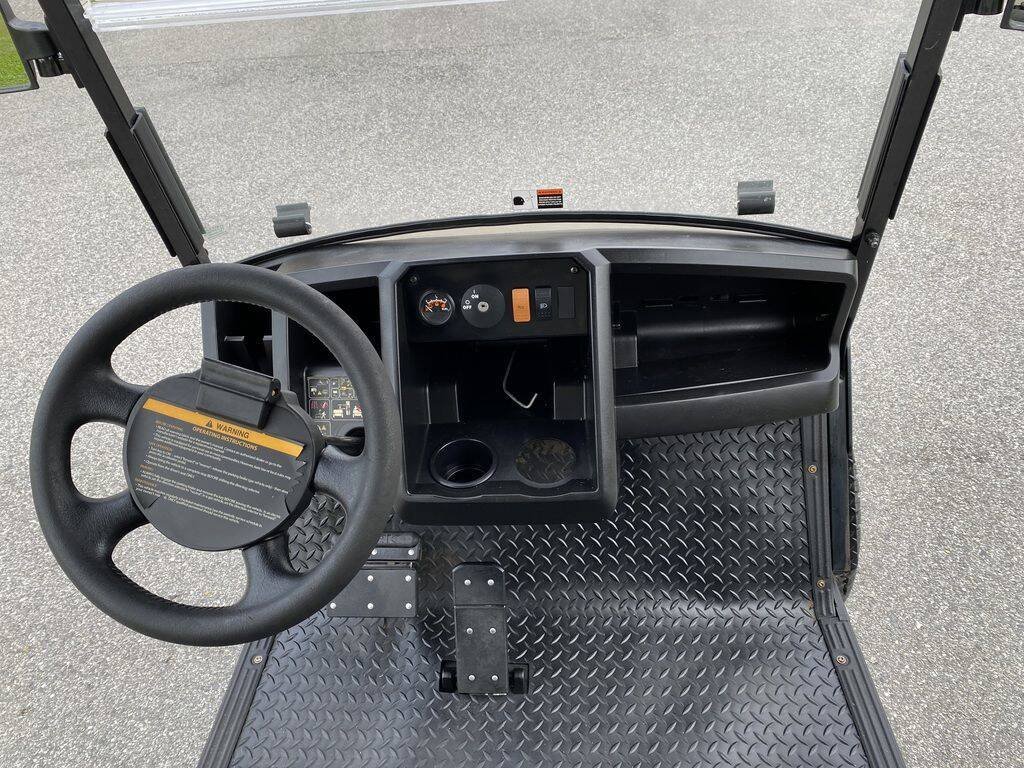
- Gas EFI Haulers flash Diagnostic Trouble Codes on the MIL; single digits use one-second flashes, double digits use 0.3-second tens plus one-second ones.
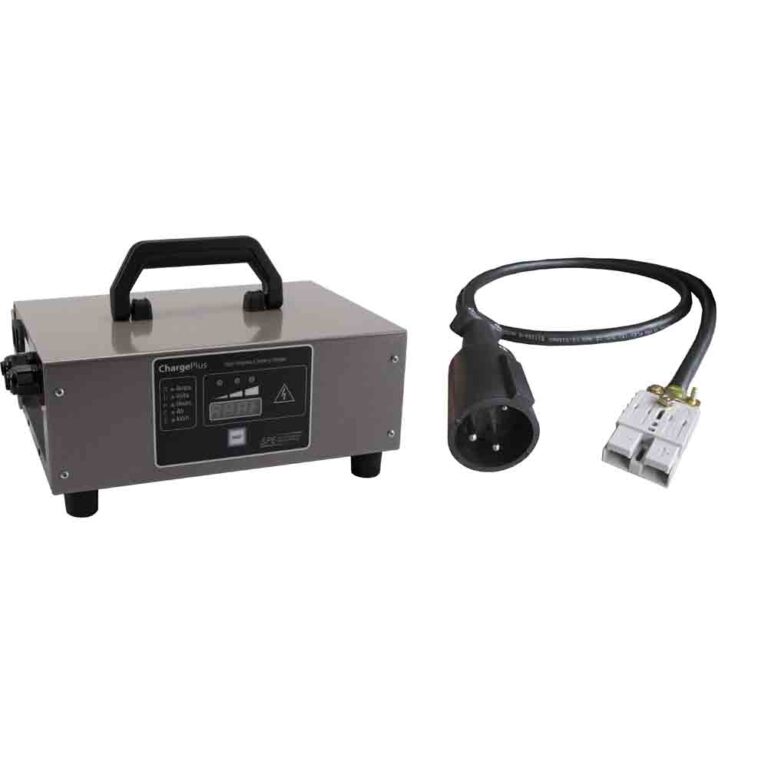
- Electric Hauler Pro ELiTE carts use Delta-Q QuiQ or ELiTE charger red-flash counts to identify charging faults, not a generic “blink code.”
- Identify your platform first: current gas EFI, older carbureted (2012 service era), or electric ELiTE lithium. Each has a different fault tree.
- Stop driving immediately on fuel smell, a hot cable, grinding, or brake heat; these are the hard safety limits, not judgment calls.
Cushman carts are work vehicles, so faults can come from electrical, gas engine, drivetrain, brake, steering, or load conditions. This guide gives a fast sorting process before you pick a deeper repair path, using the actual verified indicator behavior confirmed across this Cushman cluster’s other guides.
Log Exactly When The Fault Appears
Do not start with parts. Start with context: cold start, warm restart, hill, cargo load, rain, after charging, after storage, or after service.
Cushman has built a wide range of machines over the decades, so the first job is figuring out which family yours belongs to. The modern Hauler 800, 1200, and 1600 utility carts (most from the 2010s onward) are built on Textron architecture and share controllers, charging systems, and many drivetrain parts with E-Z-GO. That platform sharing is genuinely useful: if you have ever worked on an E-Z-GO RXV or TXT, a modern electric Hauler will feel familiar, and E-Z-GO service literature often answers Cushman fault questions directly. Older Cushman machines, including the classic Haulster and the air-cooled OMC-engine carts from earlier eras, are their own animals and need their own manuals.
- Timing: Cold, warm, under load, or after storage.
- Noise: Click, grind, squeal, pop, or scrape.
- Heat: Hot wheel, cable, belt, engine, or charger.
Sort The Fault Into A System
A hub page should help you route the fault quickly. The useful upgrade here is naming the actual Cushman indicators verified in the sibling articles, then sending the reader to the deep table instead of repeating every line. Generic “warning light” advice is not enough when the manuals publish flash behavior.
| What you see | Verified example | Best next page |
|---|---|---|
| Gas EFI cart starts, runs rough, loses power, or shows a MIL | Hauler 800 EFI and 1200X manuals say the EFI MIL flashes Diagnostic Trouble Codes. Single-digit codes use one-second flashes, double-digit codes use 0.3-second flashes for tens plus one-second flashes for ones. Codes include 8 for engine running rich or lean, 22 for limp home, 5 for high or low 12V battery voltage, and solid MIL for safeties active. | Bogs Down for fuel, air, governor, and low-power sorting, or Won’t Start if it will not run. |
| Electric Hauler will not charge or charger flashes red | The Hauler Pro ELiTE manual includes Delta-Q QuiQ fault-flash behavior: red fault counts 2, 3, 4, 5, and 6 map to wake-up pulse, charge timeout or BMS error, BMS fault, charger over-temperature, and internal charger fault. ELiTE charger red fault counts 2, 3, 4, and 6 map to lithium pack wiring or charger hardware, charge time or amp-hour limit, lithium pack shutdown, and internal charger fault. | Won’t Charge for the full charger table and reset steps. |
| Electric cart stops or will not accelerate after a pedal or direction change | Hauler Pro ELiTE owner data names High Pedal Disable, which prevents acceleration if the key is turned on or direction is changed while the accelerator is pressed. It also names Anti-Stall protection, which can interrupt motor power if the motor is stalled long enough to risk damage; recovery is key OFF, then ON. | Won’t Move for drive-path checks and the electric no-drive branch. |
| Engine revs but cart barely moves, or rear area clicks | Gas Hauler data verifies belt 618630, TEAM clutch part numbers 623948 and 623949, and rear axle oil at 51 oz. (1.5 L) Mobil 424 plus 2 oz. friction modifier for LSD refill. Brake/transaxle data verifies brake shoe minimum 0.060 in. and rear drum nut torque 80 to 90 ft. lbs. before cotter alignment. | Won’t Move first, then Brake And Transaxle for drum, axle oil, hub, and brake details. |
| Hard steering, odd tire wear, or load-sensitive steering | Current manuals publish 18 to 22 psi tire pressure. The older service manual publishes toe references of 1/4 in. +/- 1/8 in. on one front-end procedure and 0 to 1/8 in. on the axle-mounted steering procedure. | Hard To Steer for tire pressure, tie rods, bearings, kingpins, and toe checks. |
| Older carbureted cart smells rich, starves under load, or runs better partly choked | The 2012 service platform uses a Kawasaki 401 cc carbureted engine with remote pulse fuel pump, while current Hauler gas carts use Walbro closed-loop EFI at 43.5 psi fuel-pump pressure. Those are different fault trees. | Carburetor And Fuel for older carbureted fuel checks, or Bogs Down for current EFI checks. |
Know Which Cushman Platform You Have
The most important fault-basic step is identifying the platform before decoding the symptom. Current gas Hauler 800 EFI and Hauler 1200X manuals describe a Walbro EFIA-1 401 cc closed-loop EFI engine, 13.5 hp rating, 43.5 psi (3 bar) fuel pump operating pressure, pedal start, CVT drive, and mechanical self-adjusting rear drum brakes. Those carts use MIL flash-code diagnosis, not carburetor jet guessing.
The EFI MIL location is also model-specific. The Hauler 800 manual says the MIL is under the seat. The Hauler 1200X manual says it is on the rear of the seat frame and can be viewed through the opening between the rear of the center console and refresher unit. In both manuals, active faults display first, stored faults display after active faults, and a continuously illuminated MIL with no flashes means no active or stored faults are being reported at that moment.
Older 2012 Hauler 800X and 1200X service data describes a Kawasaki 401 cc carbureted platform with a remote pulse fuel pump, CVT, direction selector, neutral lock, mechanical brakes, and rear axle service procedures. That older data is still valuable for brake, steering, axle, and carbureted fuel problems, but it should not be used to invent carburetor checks for a current EFI Hauler.
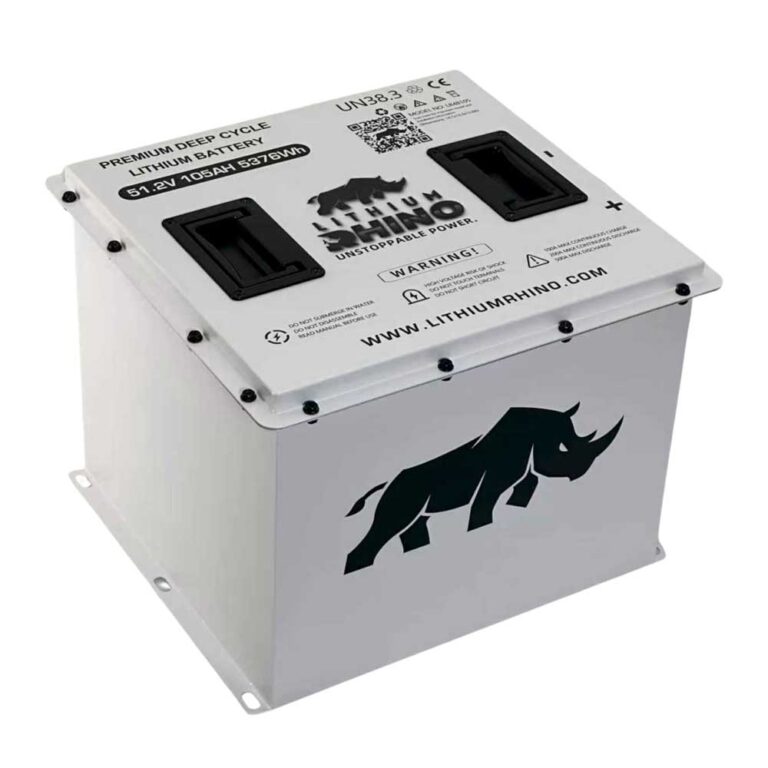
Electric ELiTE carts are a third branch. The Hauler Pro ELiTE manual describes a 48V lithium-ion system, AC induction motor, direct motor shaft to transaxle pinion shaft, differential with helical gears, regenerative pedal-up braking, automatic electromagnetic parking brake, and Delta-Q charger appendices. That manual also names Anti-Stall, High Pedal Disable, and Diagnostic Mode as real behaviors. So an ELiTE cart that stops after being held against a hill or object may be protecting the motor, while an ELiTE cart with red charger flashes belongs in the charger table.
Use this page as the sorter, then move to the sibling page with the full table. That keeps the hub useful without duplicating every charger flash, MIL code, carb jet, brake torque, or steering spec in one article.
Hard Stops And Safety Limits
- Fuel smell: Stop and inspect leaks before restarting.
- Hot cable: Stop electrical testing and repair the connection.
- Grinding: Do not keep forcing shift linkage.
- Brake heat: Let parts cool before touching or adjusting.
These limits exist because utility carts tempt you to push through a fault. The cart still rolls, there is work to finish, so people keep driving on a grinding transaxle or a fading brake. Resist that. A fuel smell on a gas Cushman near a hot exhaust is a real fire risk, a hot cable end means current is finding resistance and can melt insulation, and continued driving on a dragging brake can cook the shoe and warp the drum. Shutting down for ten minutes to inspect is always cheaper than the failure you cause by ignoring the warning.
The Short Version
Cushman diagnostics get easier when you sort the symptom first. Name the condition, identify the powertrain, choose the matching system, then test in order. The reason this sorting step matters so much on a Cushman is that these are working machines that rarely fail in one clean way. A cart that bogs on a hill might be fighting a slipping belt, a dragging brake, soft tires, and a tired pack all at once, and if you replace parts at random you will spend money without fixing the complaint. Sorting forces you to separate the powertrain issue from the chassis issue from the operator-load issue.
A final habit that pays off on utility carts is keeping a short service log on the cart itself. Note belt changes, brake adjustments, battery watering or pack replacement dates, and any controller faults. Because so much of the modern Cushman line shares parts with E-Z-GO and Textron, that history plus the model and serial number lets a parts counter cross-reference the correct belt, controller, or charger the first time, which is exactly the kind of small discipline that turns a frustrating afternoon into a fifteen-minute fix.
Frequently Asked Questions
How do I diagnose a Cushman golf cart fault?
Record when the fault happens, identify gas or electric powertrain, then sort it into start, drive, charge, fuel, brake, steering, heat, noise, or load.
Are Cushman faults the same as regular golf cart faults?
Some are similar, but utility loads, gas engines, worksite use, and Hauler drivetrains add extra brake, fuel, transaxle, and steering checks.
When should I stop driving a Cushman with a fault?
Stop if you smell fuel, see smoke, feel hot cables, hear grinding, lose braking, or notice severe steering play.