

Technical Solutions Hub
Master your machine with professional diagnostic protocols, engineering research, and ultimate repair fixes.
Retrieving Intel…
Synchronizing with the Global Hub.
The Ultimate Hub for Golf Cart Repair Guides
Welcome to the industry’s ultimate technical database for golf cart repair guides. If your machine is suffering from a blown motor controller, dead battery packs, or a catastrophic wiring failure, you need the absolute best diagnostic information to fix it safely. Taking your cart to a local dealership can result in weeks of downtime and hundreds of dollars in basic diagnostic fees. Our goal is to put the wrenches back in your hands.
Whether you are working on a vintage 36V Club Car DS, a modern 48V EZGO RXV, or a Yamaha Drive fleet cart, our comprehensive database covers every major mechanical and electrical system. We break down complex electrical theory into actionable, step-by-step diagnostic protocols that anyone can follow with a basic digital multimeter and standard hand tools.
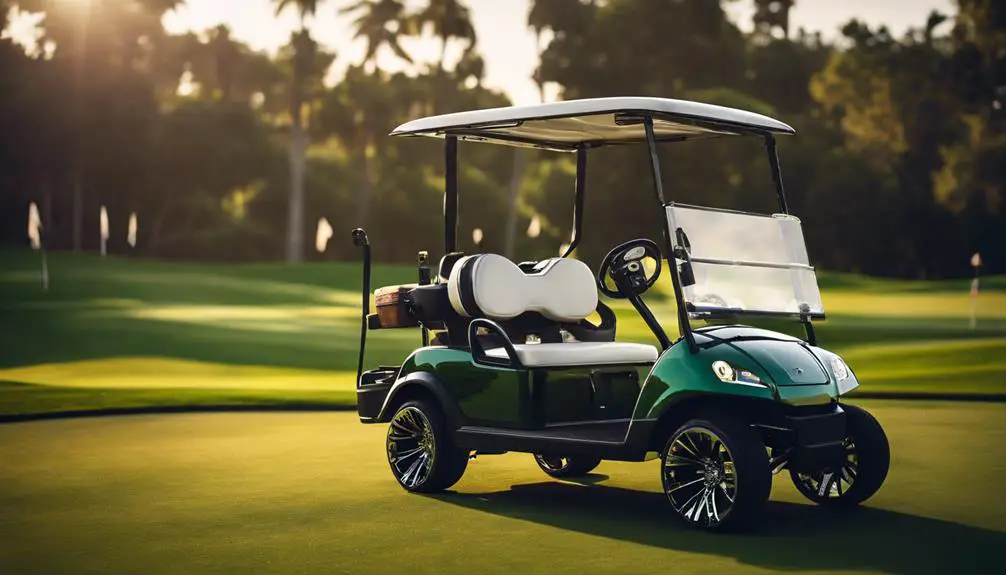
Drivetrain and Mechanical Protocols
A failing drivetrain can leave you stranded on the back nine or deep in the woods. Our golf cart repair guides dive deep into the mechanical heart of your cart. We provide detailed cross-reference charts for transaxle splines (like the notorious EZGO 19-spline vs Yamaha 21-spline confusion), gear ratio upgrades for higher top speeds, and complete teardown instructions for both Series and Sepex motor architectures.
If you are experiencing grinding noises from the rear differential or sudden losses in torque, our troubleshooting trees will help you isolate whether the issue is stripped input shaft splines, failing motor brushes, or a burned-out armature.
High-Amperage Electrical System Fixes
Electrical failures are the number one reason golf carts stop running. This is where our golf cart repair guides truly excel. We offer exhaustive documentation on how to properly test high-amperage components. You will learn exactly how to bypass MCOR throttle units, test solenoid activation circuits, and calculate the proper sizing for flyback diodes and pre-charge resistors during 48V conversions.
Mastering Your Upgrades and Diagnostics
We have engineered over 10+ of the best golf cart repair guides based on real-world mechanic telemetry. Whether you are upgrading to an AC conversion kit from Navitas, dropping in a lightweight Eco Battery lithium pack, or re-wiring your accessory circuits, these protocols are designed to be entirely foolproof and heavily detailed.
Every single one of our golf cart repair guides is highly specific to the chassis year and voltage. When undertaking major rebuilds, we always recommend verifying OEM part numbers with authoritative sources like the official EZGO specs database or the Club Car resource center to ensure mechanical fitment before ordering parts.
Curious about the experts behind these protocols? Learn more about us and our mission to simplify cart maintenance. If you are looking to upgrade your ride entirely, browse our Marketplace for buying and selling golf carts.
Frequently Asked Questions
How do I find the right repair guide for my specific model?
You can easily find the exact protocol you need by using the interactive search engine or the category filters at the top of this page. Our database is fully indexed to help you locate model-specific fixes for Club Car, EZGO, and Yamaha.
Are these guides applicable to 48V lithium conversions?
Yes. We include advanced, step-by-step protocols specifically designed for integrating modern drop-in lithium batteries and high-amperage aftermarket motor controllers (like Navitas and Alltrax) into older chassis.
Do I need special diagnostic tools to follow these tutorials?
Most of our repair guides only require standard hand tools, wire strippers, and a high-quality digital multimeter. If a specific fix requires a specialized tool (like a primary clutch puller), we highlight it clearly at the beginning of the protocol.
How do I know if my batteries are bad or if my controller is fried?
We have a dedicated voltage-drop testing guide specifically for this scenario. Usually, if your cart dies under load but shows full voltage at rest, the batteries are failing. If the cart does not move at all and the solenoid refuses to click, the controller or the pedal microswitch is likely at fault.
Can I upgrade my motor without upgrading my controller?
While you technically can, it is highly discouraged. A high-performance motor demands massive amperage that a stock 250-amp controller cannot provide. Our drivetrain guides explain how mismatched components lead to extreme thermal overload and hardware failure.